If you’re wondering how to improve your online visibility, there’s one truth that needs to be stated right away: posting twice a week and redesigning your logo isn’t enough. Visibility isn’t just about aesthetics. It’s about presence, positioning, and consistency. If your customers can’t find you today—or have a hard time finding you—the problem isn’t the market. It’s your digital infrastructure that isn’t working for you.
Many Italian companies have a solid offering, a good reputation, and years of experience. Then they go online and act as if simply “being there” is enough. A showcase website that hasn’t been updated in months, a social media page updated sporadically, no system for collecting leads, and zero Google strategy. The result is simple: competitors who have a stronger digital presence capture the attention, the inquiries, and the revenue.
How to Improve Your Online Visibility Without Wasting Your Budget
The first mistake is confusing visibility with noise. Being everywhere is useless if you’re talking to the wrong people or if the traffic you generate doesn’t convert. Good online visibility doesn’t mean getting more likes. It means appearing at the right time, in front of the right audience, with a message that drives action.
That’s why the starting point isn’t the channel. It’s the business question: Where should customers come from, and what should they do when they find you? Call you, fill out a form, book a consultation, or make a purchase? Until this is clear, any investment in content, SEO, or advertising risks becoming an expense that yields no results.
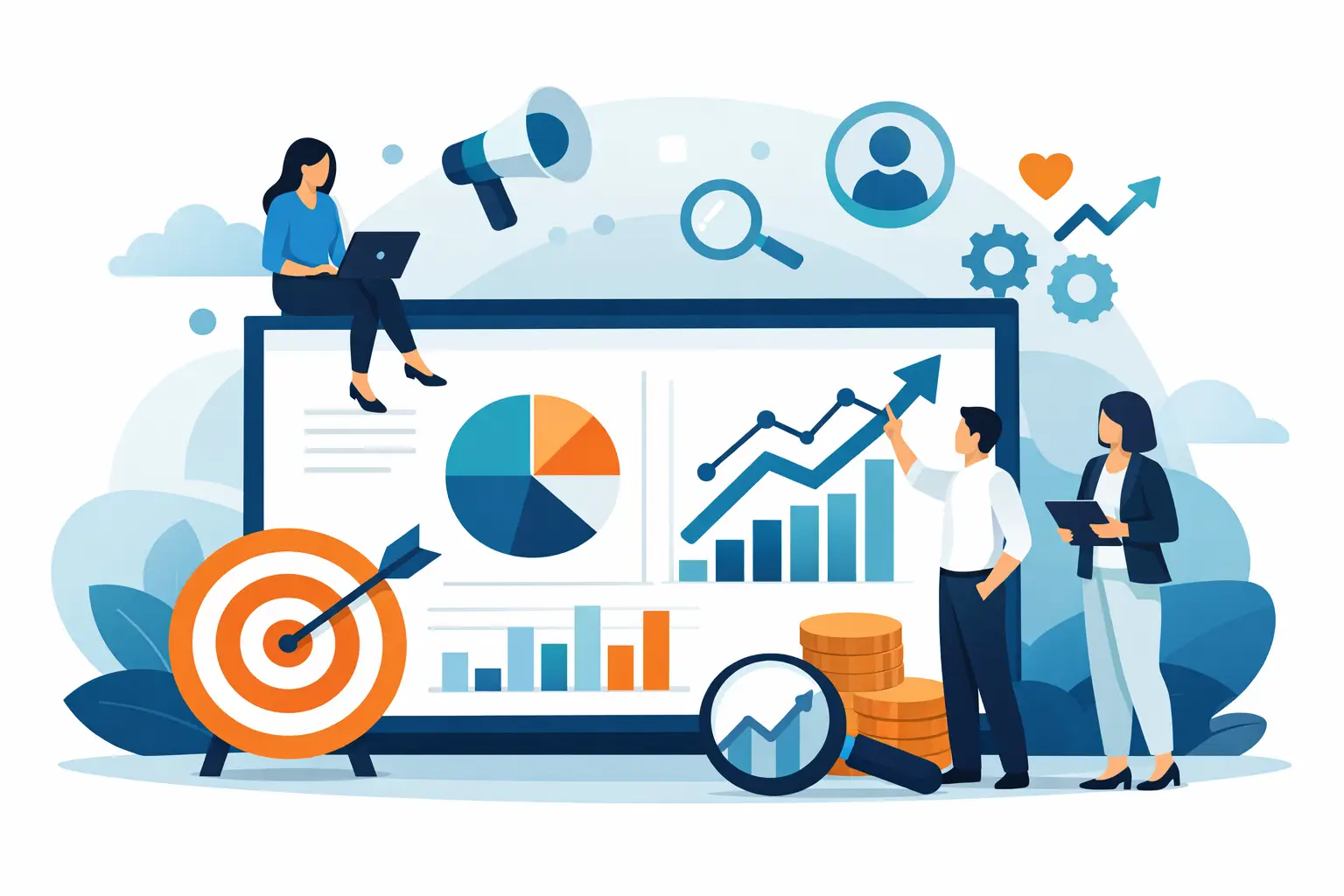
This is where a principle comes into play that many people overlook: useful visibility is measurable visibility. If you don’t know which pages generate leads, which campaigns bring in inquiries, and which keywords capture real demand, you’re just piling up tasks. And tasks, on their own, don’t pay the bills.
A website doesn't have to be beautiful. It has to be easy to find and convert visitors into customers.
Many business owners start by focusing on their website, thinking that simply redesigning it will be enough to improve it. In reality, a new website can actually make the situation worse if it’s built like a digital brochure. An effective website must load quickly, have a clear structure, feature search-optimized content, and offer simple pathways to convert visitors into leads.
If you sell services, each major service should have its own dedicated page. If you operate in multiple geographic areas, you need to make it clear where you do business. If you have a specific sales process, it should be clearly highlighted. Too many websites force users to figure things out for themselves. Online, when you make people think too hard, you lose their attention.
The technical side also matters more than it seems. A slow, cluttered, or non-mobile-optimized website hurts both your search rankings and your conversion rate. And no, this isn’t just a developer’s concern. It’s a business issue. You pay to drive traffic, and then you lose it due to friction.
SEO: Slow, yes. But still crucial
People looking for shortcuts tend to dismiss SEO because it takes time. That’s true. But that’s precisely why it creates a more stable competitive advantage than many improvised strategies. When a well-designed page captures a search with commercial intent, you’re tapping into the mind of someone who already has an active need.
SEO, however, isn’t about writing generic articles on just any topic. If you really want to understand how to improve your online visibility, you need to focus on the searches that matter to your business: services, specific problems, geographic areas, comparisons, and high-intent frequently asked questions. An article read by a thousand irrelevant people is worth less than a page that generates ten qualified leads.
There’s also a trade-off to consider. SEO works well when you have structure, patience, and consistency. If you need immediate results, SEO alone isn’t enough. In that case, it needs to be complemented by paid campaigns and by a funnel that can handle the traffic.
Google Ads and social media ads: They’re gaining momentum, but only if there’s a solid foundation
Advertising is often the first channel that promises quick results. And it’s true: it can drive traffic and generate leads in a short amount of time. But it can also burn through your budget at an astonishing rate if the downstream system can’t keep up.
The problem isn't the platform. The problem is the illusion that simply launching a campaign is enough. If you drive traffic to a weak landing page with a confusing offer and no trust-building elements, you're paying to send people to a closed door. The campaign might generate clicks, but you won’t get any leads. Or you might get leads, but they’ll be off-target.
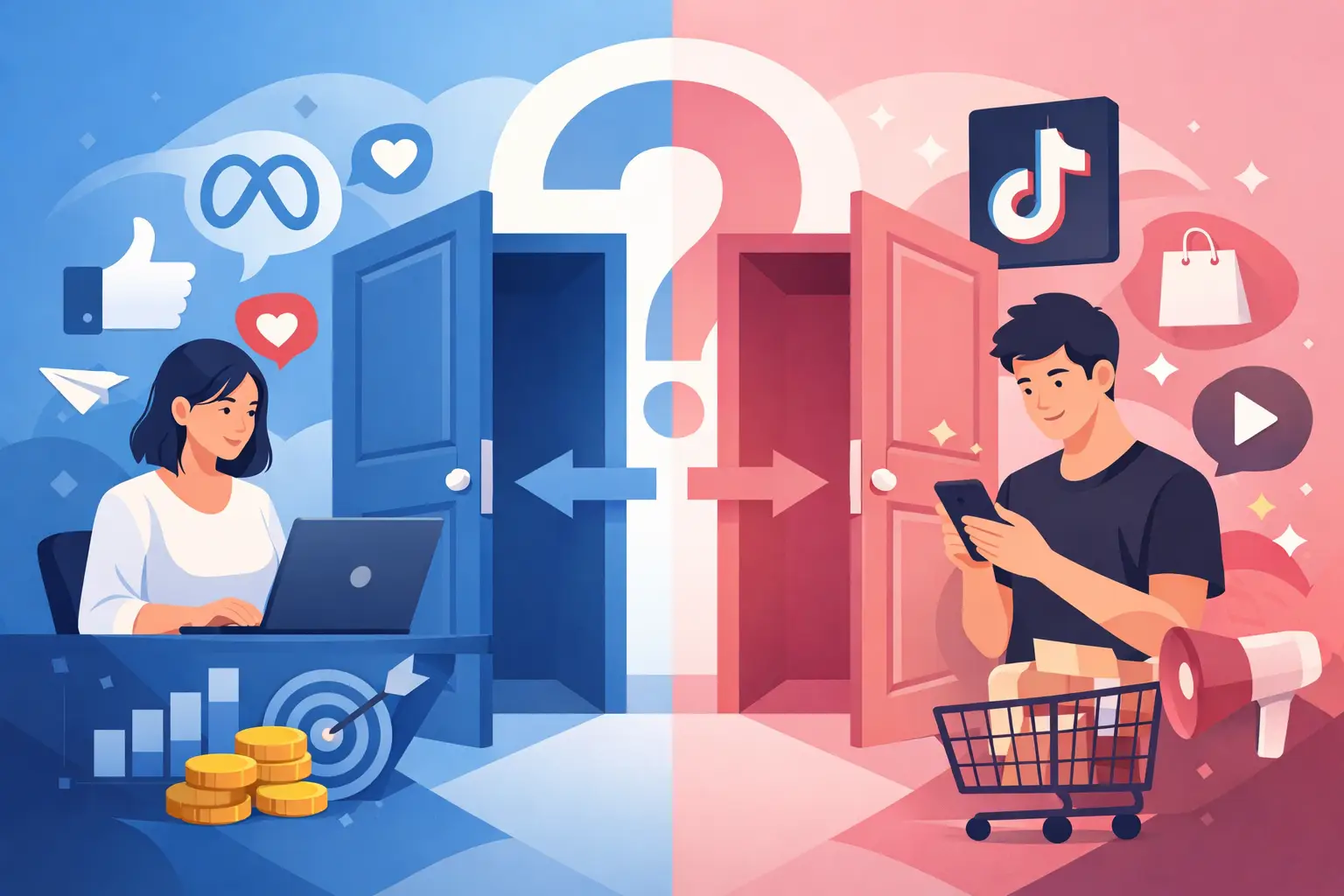
Google Ads Taps into existing demand. Meta and TikTok often work best for latent demand or message repetition. Neither approach is always superior. It depends on the industry, average order value, decision-making cycle, and audience maturity. A professional offering urgent services may see excellent results from Google. A brand with a less immediate offering may need more touchpoints and remarketing.
The point is this: paid traffic works when it’s part of a customer acquisition strategy, not when it’s treated as a gamble.
Content, yes, but with a specific purpose
Many companies produce content just to maintain a presence. They post because “they have to.” The result is a long string of harmless, forgettable content that is almost always disconnected from what generates business opportunities.
Content is useful if it does at least one of these three things: it captures search traffic, builds authority, or reduces decision-making friction. Everything else is just filler. Good content shouldn’t just inform. It should move the reader from being skeptical to interested, and from interested to taking action.
That’s why it’s best to focus on content that’s closely tied to the sales process: use cases, common mistakes, differences between solutions, questions customers ask before buying, and pages that explain results and methodology. You don’t need a hundred articles. You just need a few—well-written ones that are aligned with a strategy.
Visibility alone isn't enough if you don't have a funnel
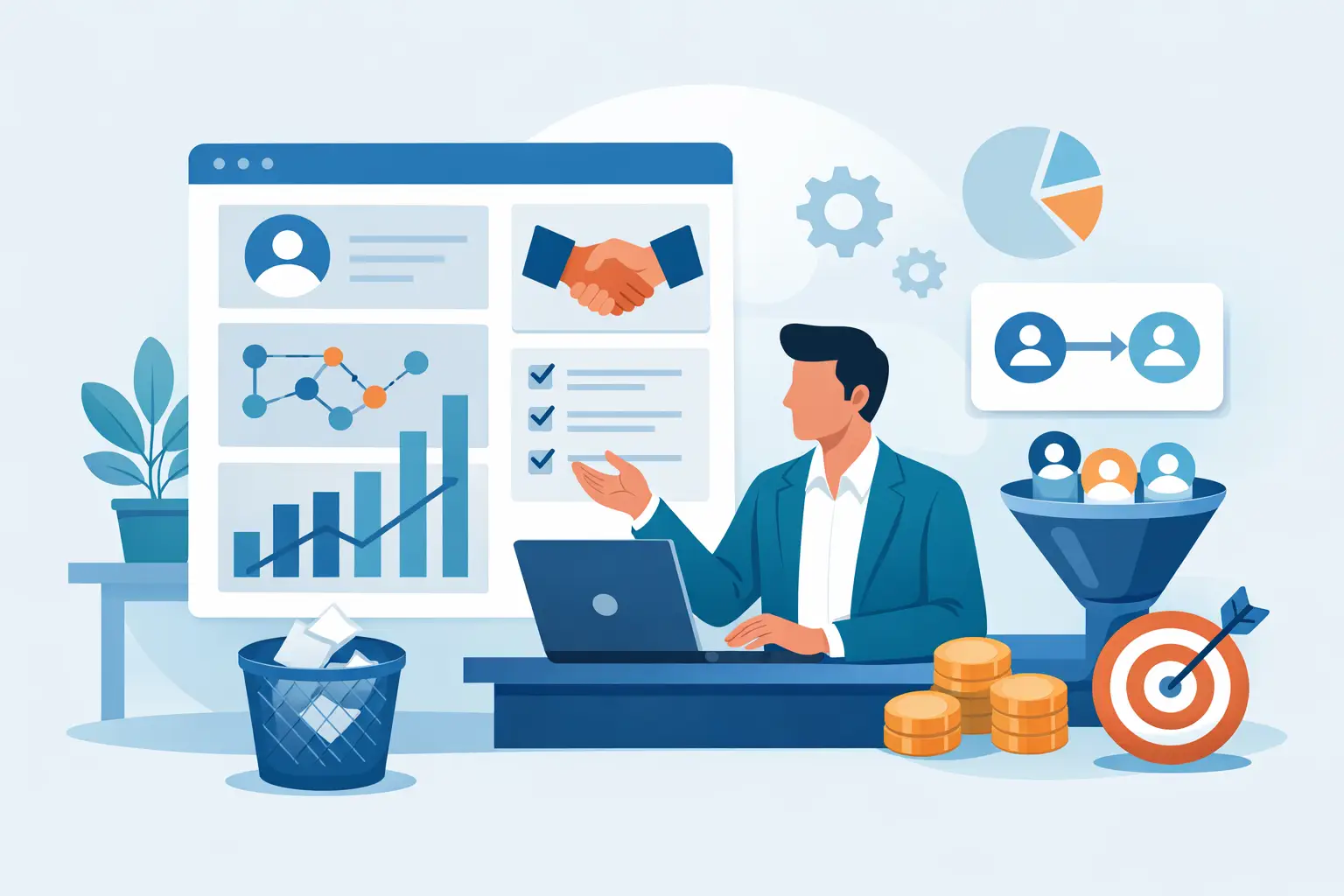
This is where many companies fall short. They manage to generate traffic, visits, and interactions. But they don’t have a system for turning that attention into actionable leads. No organized CRM, no automation, no segmentation, no follow-up sequences. Basically, they generate interest and then let it fizzle out.
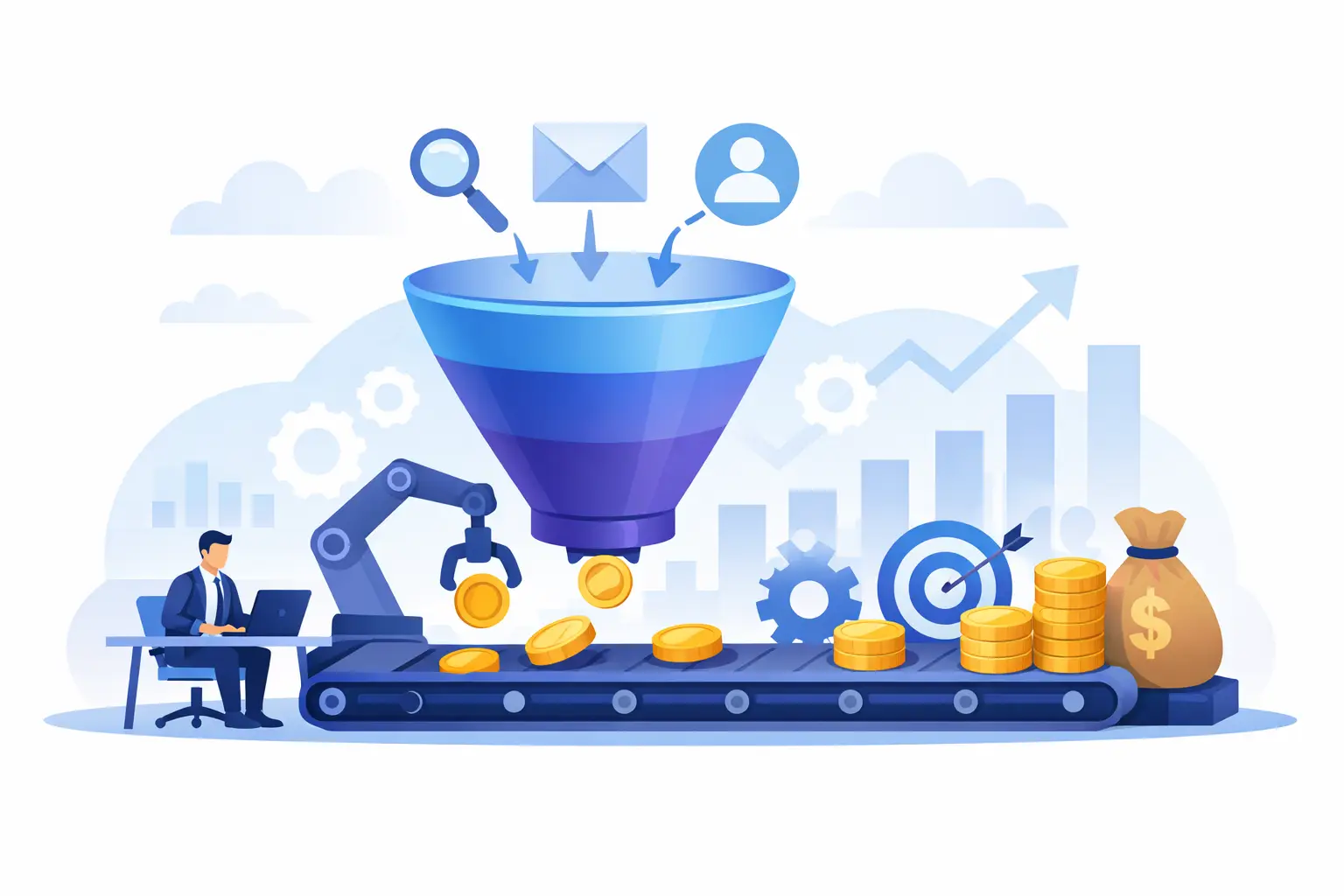
Visibility creates value when it’s linked to a sales process. A well-designed landing page, a simple form, a well-crafted automated response, a prompt follow-up from a sales representative: this is often where ROI is determined. Not in the creativity of the banner.
If you receive inquiries and don’t respond quickly, you’re losing customers. If you collect leads but don’t nurture them, you’re wasting your acquisition costs. If you don’t track the user journey, you’re working in the dark. The digital world doesn’t forgive inconsistency.
How to Improve Online Visibility in a Sustainable Way
The honest answer is less glamorous than many would like. You need to build an ecosystem, not just a single business. You need a robust website, well-planned SEO, active campaigns where it makes sense to invest, content that supports sales, and automations that prevent wasted effort.
The real advantage isn’t in doing everything all at once in the first month. It lies in evolving the system without letting it stagnate. A page is optimized, a campaign is refined, a funnel is simplified, a process is automated. Those who think in terms of “closed projects” often end up with a static asset that quickly becomes outdated. Those who think in terms of continuous management build an advantage over time.
This is also why more and more companies prefer a long-term operational partner rather than the traditional vendor who delivers the website and then disappears. When development, marketing, advertising, and automation work together, visibility ceases to be an abstract goal and becomes a concrete driver of growth. This is the approach WebWakeUp takes: less presentation-style theory, more of a system that generates leads and improves month after month.
There is no one-size-fits-all formula. A local business has different needs than a B2B SME. An e-commerce business operates differently than a professional practice. But the rule remains the same: if you want online visibility, you have to earn attention through structure, consistency, and the right message.
So the real question isn't whether you need to be more visible. It's how much it's costing you to remain invisible for yet another month.